Humans in the loop

Californians say how AI should be built, used, and governed

We asked people some of the hardest questions facing the state:

How is AI reshaping work and the economy? What should government do about it?

A public forum on AI

In May 2026, we opened a public forum on the Impact of AI on work to all Californians. In the months to follow, thousands of people across the state gave us their thoughts by taking our survey. Some survey respondents later joined facilitated group discussions held on Zoom. They shared their own experiences, and listened to their peers. Then they refined gut reactions into concrete policy ideas.

Along the way, participants didn’t always agree. They debated how far to regulate, how proposals would be funded, and how the rules would be enforced.

One theme came up consistently: We need humans in the AI policy loop. Not only for how people use AI, but for how companies build it and laws govern it.

2,702
survey participants
103
discussion participants
26
policy ideas

Ideas we heard

First, from the survey

Our survey asked people what they’d like government to do about the impact of AI. We got a wide range of ideas for policies.

Then from live discussions

The AI policy ideas below came from the 2-hour live discussions over Zoom. Participants refined their policy ideas and voted on what was most important.

We grouped what people said there into 26 distinct ideas. Then we ranked them according to:

  • How often an idea came up across discussions (frequency), and
  • How much support it drew when it did (how often it was a popular idea).

Top 3 policy ideas

These themes came up the most often and got the strongest support.

  1. Examples:

    • Strengthen criminal liability for harm caused by AI
    • Direct more resources for real enforcement
  2. Examples:

    • Set limits on data center noise, pollution, and use of water and electricity
    • Study the impact of data centers on the environment
  3. Examples:

    • Ensure a human makes the final judgment on decisions that impact lives
    • Ban automated AI in the hiring process

From one discussion:

  • “With social media, we didn’t hold companies accountable, and it tore down our democracy. I think that the era of saying that companies aren't responsible for how people use tools like this should end. I bet they would change policy and invest in certain tools to manage better if we ended that lack of accountability.”

    Arts, entertainment and media worker from the Bay Area
  • “To your point, Section 230 of the CDA made it so that a media company would be actively punished if they tried to police user content, rather than making it something that would align their values to the public good. So, if we're looking at incentive structures holistically: where can we structure the rules so that following the rules works towards the public good and to the bottom line, rather than creating tension between them?”

    Information technology worker from the Central Coast
  • “One thing could be who's accountable for the outputs. If there's a human evaluation, then the human is accountable, because a human should be the final decision maker. But the way AI is being used, if human evaluation is not involved, then who's accountable for the mistakes that AI is making?”

    Finance worker from the Bay Area

More policy ideas

Strong support

Came up often and with strong support

7 policy ideas

Moderate support

Came up often, or with strong support, but not both

7 policy ideas

Some support

Came up less often and with less support

9 policy ideas

How to read this ranking

The ranking shows how an idea fared across discussions. It's not a verdict on its merit.

These are the themes participants talked about. They are separate from what current policy or legislation may already do. Some may align with items already moving through the policy landscape.

Who participated

1 of 4

Survey

Broad listening

People responded to our open survey on AI

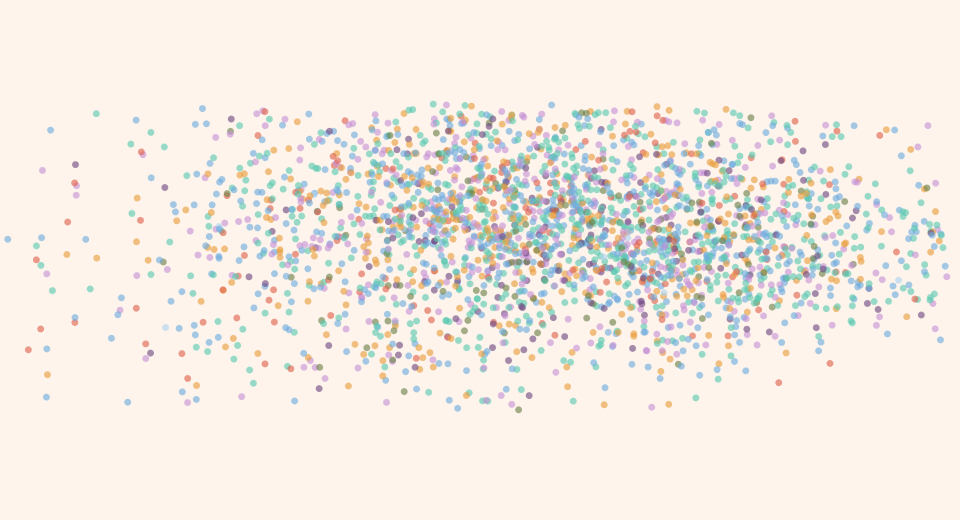
2,702
survey respondents
Scatter plot of dots, one per survey respondent, colored by region.

Discussions

Inviting a balanced audience

We selected a subset of respondents that reflects California

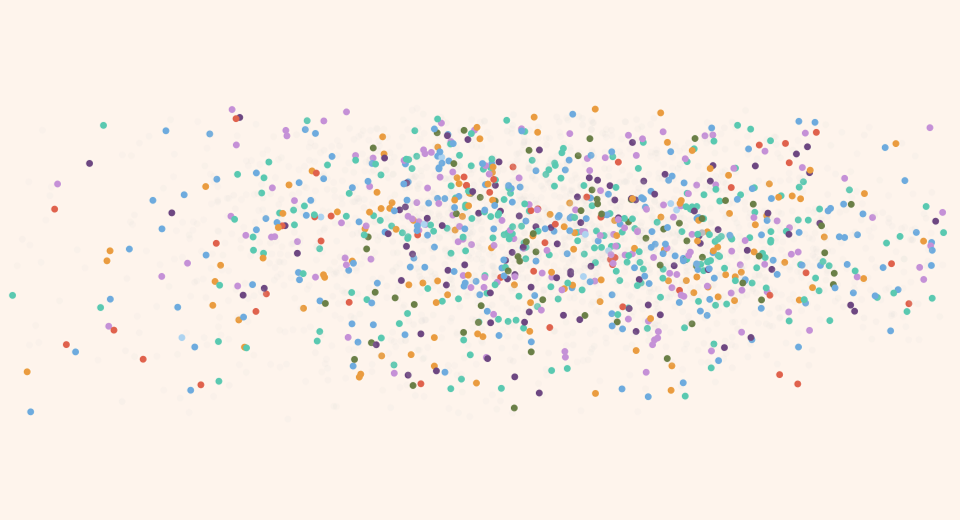
937
invited
Scatter plot of dots, one per invited respondent, colored by region.

Discussions

Joining the conversation

These Californians RSVP’d “yes” and joined a discussion

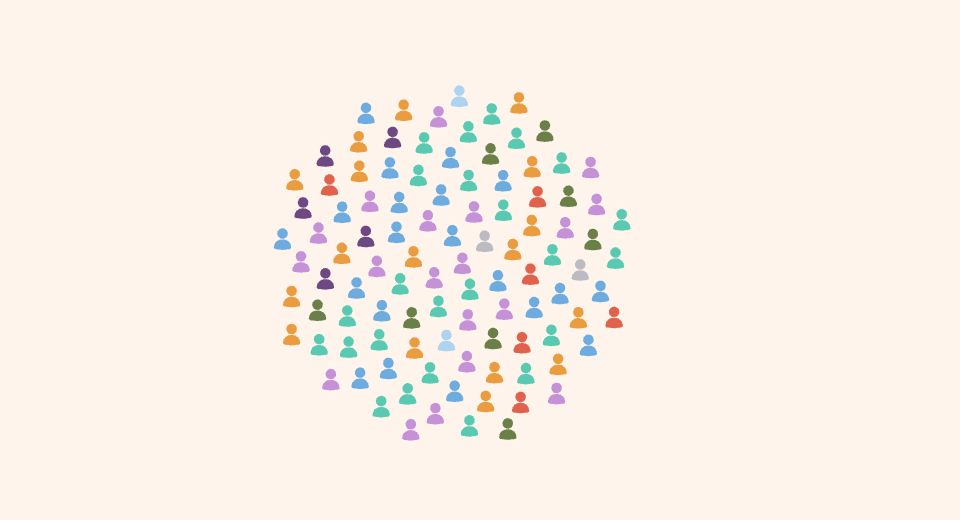
103
attended
Scatter plot of dots, one per discussion attendee, colored by region.

Discussions

The discussion groups

Here are the demographics of each discussion

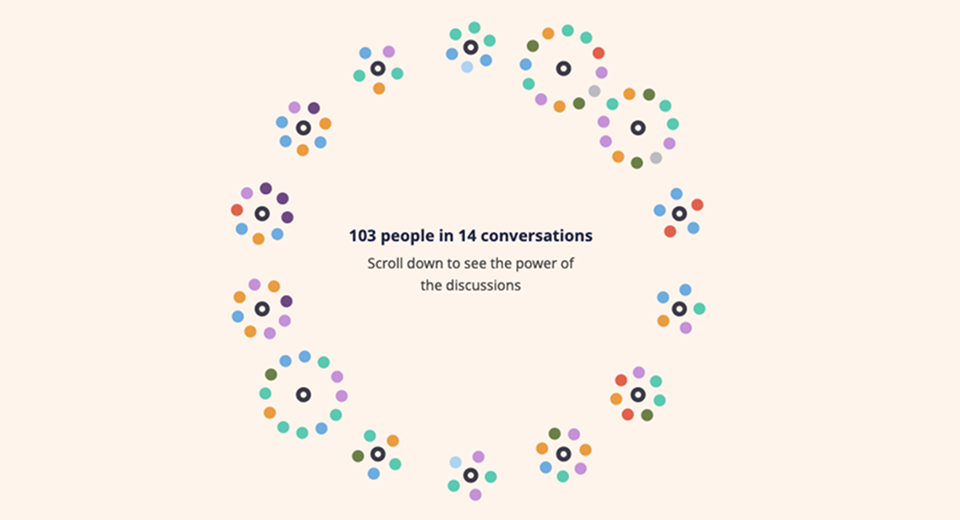
14
conversations
Ring of 14 small clusters of dots, one per conversation, colored by region.

What happens next

This report is not the end of the story. The ideas people shared will join a fast-moving policy conversation already underway.

California has been a leader in AI oversight for some time. In 2025, California enacted SB 53, the Transparency in Frontier Artificial Intelligence Act. It sets requirements for transparency and independent oversight of advanced AI models.

In May 2026, the Governor signed an Executive Order to help prepare workers and businesses for changes AI may bring. The order directs state agencies to use findings from this Engaged California engagement in that work, where they can. Californians can hold the state to that promise.

As Engaged California summarized what people said, the Newsom administration acted further on AI. Some of the actions by the administration touched on themes that Californians raised in these discussions, such as:

  • The environmental footprint of data centers
  • Transparency about AI-generated content
  • Independent oversight of frontier models
  • Protections for workers and children

The actions included Governor Newsom signing the following bills and an Executive Order in September 2026:

We're not done with our work either. Californians raised many ideas that will inform government action in the years ahead. And as the AI landscape keeps evolving, we will keep listening.